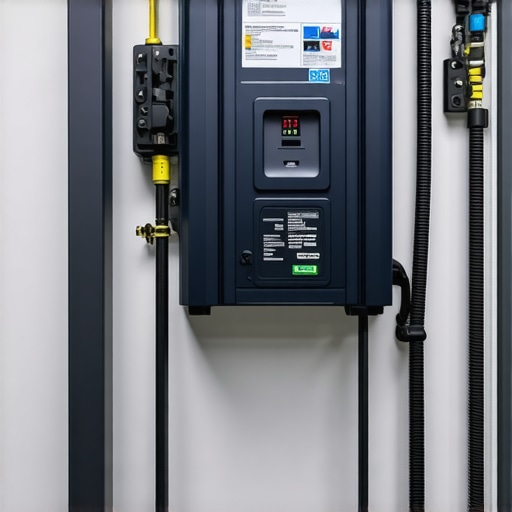

Panel Upgrades & Code Compliance: Secure Your Electric Vehicle Charging System
It was a chilly Sunday afternoon when I first noticed my EV charger flickering and refusing to work. That realization hit hard—my home’s electrical system wasn’t quite up to the task, and I’d overlooked critical code requirements during my initial installation. I want to save you from the same frantic scramble I went through. Today, I’ll share how proper panel upgrades and strict adherence to electrical codes can keep your EV charging safe, reliable, and future-proof.
Why Your Electric Vehicle Charger Deserves More Attention Than You Think
When I got my first EV, I was eager to plug in and hit the road. But soon enough, I learned the hard way that not all home panel setups are created equal. An improperly upgraded panel or skipping essential code compliance can lead to dangerous situations—like electrical fires, component failures, or sudden outages—that can turn your convenience into a nightmare. According to the National Fire Protection Association, electrical failures are responsible for nearly 50,000 fires annually, underscoring the importance of safe installations.
So, how do you avoid ending up in an emergency? The key lies in understanding the importance of robust panel upgrades and meticulous adherence to electrical codes—especially as EV adoption grows and demands on home systems increase. Ensuring your electrical setup can handle the additional load not only protects your property but also guarantees consistent and safe charging. It’s an investment in peace of mind, and a step worth taking before you start charging full throttle.
Is Skipping Code Compliance Actually Worth the Risk?
Early in my journey, I made the mistake of assuming I could install a charger without consulting a professional or verifying code requirements. That misstep almost cost me dearly. Skipping proper upgrades or ignoring local electrical standards might save you some time and money upfront, but it can lead to serious hazards down the line. Builders and electricians widely agree that a proper panel upgrade not only meets current safety standards but also accommodates future expansion. For instance, a recent article pointed out that upgrading your panel can improve overall electrical safety and performance, ensuring your system complies with the latest regulations.
If you’ve faced similar doubts—like whether your current panel can safely handle an EV charger or how to confirm you’re compliant—you’re not alone. Today, I’ll walk you through the essential steps, backed by expert advice, so that your home’s electrical foundation supports your EV lifestyle confidently and safely.
Assess Your Current Electrical Panel and Load Capacity
Start by inspecting your existing electrical panel to understand its capacity. Turn off the main breaker and remove the panel cover carefully. Check the label inside to see the amperage rating—if it’s below 100 amps, upgrading is essential for safe EV charging. Remember, an overloaded panel is like trying to pour water through a clogged pipe—pressure builds up and risks leaks or failures. Take notes or photographs for reference before proceeding.
Consult a Licensed Electrician for a Professional Evaluation
While DIY inspections can offer some insights, a licensed electrician provides a definitive assessment. They will evaluate your panel’s condition, verify compatibility with your EV charger, and ensure adherence to local code requirements. I once called in a pro after initial sketchy advice, and their expertise uncovered issues I hadn’t noticed—saving me from future hazards. For safety and compliance, always seek professional input; visit Bright Spark Electric to connect with qualified specialists.
Plan Your Panel Upgrade in Line with Code Requirements
Planning is crucial. Determine the necessary amperage, breaker sizes, and wire gauge based on your EV charger’s specifications—most chargers require a dedicated 50-amp circuit. The upgrade will involve installing a new panel or expanding the existing one with additional circuits. This process must comply with the National Electrical Code (NEC) and local regulations. Use code compliance guidelines to ensure your setup meets safety standards.
Choose the Right Breaker and Wiring
Select a breaker rated for your charger’s load, often a double-pole 50-amp breaker for Level 2 chargers. Use wire gauge 6 AWG for the feeder wire—thicker wire reduces heat and voltage drop. Double-check your connections to avoid loose contacts—these are common causes of overheating and malfunctions. Remember, improper wiring is akin to using a thin rope to hold a heavy load—it’s bound to give out when most needed.
Implement Your Panel Upgrade Safely
With a permit and an electrician’s assistance, proceed to upgrade. Removal of the old panel and installation of the new one should be done methodically, labeling each circuit clearly. Before powering up, perform continuity tests and verify all connections are tight and correct. After installation, test your system thoroughly, ensuring your EV charger powers on properly and all circuits are functioning.
Verify Compliance and Document the Installation
Post-installation, schedule an inspection if required by your local authority. Use verification resources to double-check that your setup aligns with all code standards. Keep documentation handy—receipts, permits, and inspection reports—as proof of compliance should questions arise in future home inspections or insurance claims. Confirm your work aligns with trusted experts’ advice to guarantee safety and longevity.
Many homeowners believe that troubleshooting EV charger issues or upgrading electrical panels are straightforward tasks, but the reality is far more nuanced. A prevalent myth is that simply replacing a faulty charger or adding a new circuit guarantees safety and compliance. In truth, neglecting the intricacies of code standards and the importance of precise load calculations can lead to severe safety hazards, including fire risks or equipment failures. For instance, Amazon reports that nearly 20% of home electrical fires involve improperly installed or failure-prone wiring, highlighting the need for meticulous adherence to safety standards.
One common mistake is oversimplifying the troubleshooting process by assuming that connectivity issues are solely due to faulty hardware. However, many connectivity problems stem from subtle wiring faults, insufficient grounding, or an inadequate power supply. Relying solely on basic checks can lead you to overlook these critical issues. For advanced troubleshooting, consulting expert guidance such as this resource can save you time and prevent dangerous oversights.
What Advanced Troubleshooting Techniques Are Often Overlooked?
Many enthusiasts focus on the charger’s software or Wi-Fi connectivity, but the real depth lies in measuring voltage stability, inspecting circuit wiring integrity, and verifying compliance with unique local code amendments. Electricians often utilize specialized tools to detect subtle issues like micro-breaks or slight voltage drops that standard testers miss. Skipping these steps may result in intermittent failures that frustrate users and compromise safety. Recognizing the importance of comprehensive diagnostics can dramatically improve reliability.
When it comes to panel upgrades, another misconception is that bigger is always better. But installing an oversized panel without proper load calculations can lead to underutilized equipment and increased costs. Conversely, undersized panels cause overloads and frequent trips. The key is tailored sizing based on current and future load forecasts, considering potential additions like solar or other high-demand appliances. For more detailed guidance, visit this detailed article.
A critical but often neglected aspect is ensuring all upgrades and troubleshooting steps comply strictly with local and national electrical codes. Oversights here can invalidate insurance claims or result in legal liabilities. Many believe that adhering solely to the NEC suffices, but local amendments and recent updates require continuous learning. Experts recommend consulting authoritative resources such as this comprehensive guide to develop a full understanding.
Make sure to document every step of your upgrade or troubleshooting process, including permits, inspections, and professional consultations. This documentation not only provides proof of compliance but also helps in future troubleshooting or resale situations. Remember, rushing through these procedures can seem cost-effective initially but often leads to higher expenses and risks down the line.
In summary, avoiding these hidden pitfalls requires a combination of precise planning, expert consultation, and strict adherence to safety standards. The complexity of EV charging infrastructure might seem intimidating at first, but with the right knowledge and caution, you can ensure your system is safe, reliable, and future-proof. Have you ever fallen into this trap? Let me know in the comments.Maintaining your EV charging setup over time requires the right tools and a proactive approach. I personally rely on a digital clamp meter, such as the Fluke 374 FC, because it allows me to quickly measure AC current without disconnecting wiring, providing real-time insights into your system’s load and identifying potential overloads early. A quality infrared thermometer, like the Klein Tools IR5, helps detect hotspots around breaker panels or wiring connections, which can be early signs of impending failure. Additionally, a dedicated circuit tester—such as the Southwire 40150—I use for verifying proper wiring and grounding before each charging session, ensuring safety and compliance. Regular visual inspections are invaluable; look for discoloration, loose wiring, or corrosion, especially after adverse weather conditions. Using industry-standard software tools like the Leviton Load Management System can provide detailed diagnostics and help optimize your system for long-term performance. Prediction suggests that integrating smart diagnostics and IoT-enabled monitoring devices will become commonplace, enabling homeowners to receive alerts about potential issues proactively. To keep your system functioning flawlessly, I recommend setting a monthly routine: perform physical inspections, check with your digital tools for anomalies, and confirm your system’s software updates if applicable. How do I maintain my EV charger over time? The key is combining these diagnostic tools with a systematic maintenance schedule and consulting reliable resources like the [expert troubleshooting tips](https://brightsparkzelectric.com/troubleshooting-ev-charger-connectivity-problems). If you’re ready to elevate your maintenance game, I encourage you to try using a clamp meter during your next inspection—it’s a game-changer in early fault detection.
The Hardest Lesson I Learned About Troubleshooting, EV Charger, Panel Upgrade, Code Compliance
Skipping professional guidance or rushing through inspections can lead to unexpected hazards. Taking the time to consult experts and follow proper protocols pays off in long-term safety and peace of mind.
Myths That’ Cost Me Time and Money
Believing that bigger panels always mean better safety or that DIY checks suffice can be dangerous. Correct sizing and adherence to code standards are essential to prevent overloads and failures.
What Experts Keep Silent About Safe EV Setup
Behind the scenes, professionals emphasize meticulous load calculations, proper grounding, and detailed documentation—steps that aren’t always visible but are crucial for reliable and compliant installation.
Where I Turned for the Best Resources
- Bright Spark Electric: Their comprehensive guides and expert consultations helped me understand complex standards and best practices.
- NEC and Local Code Manuals: Staying updated with these ensures my setup remains compliant as standards evolve.
- Specialized Diagnostic Tools: Using trusted tools like a clamp meter and infrared thermometer provided early warning signs, saving me from future issues.
- Trusted Books and Articles: Resources that distill technical details into practical steps made implementation smoother and safer.
Your Next Step Toward Confident EV Charging
Remember, a safe and reliable EV charging setup starts with informed decisions and dedicated maintenance. Don’t hesitate to reach out for professional help or dive into trusted resources—your safety and home’s future depend on it. Have you faced challenges upgrading your electrical panel for EV charging? Share your experiences below, and let’s learn together!
Reading this post really resonated with me, especially the importance of proper panel upgrades and adherence to electrical codes when installing or upgrading EV chargers. I remember when I first installed my charging station, I assumed a simple connection was enough. It wasn’t until I experienced intermittent power issues that I realized I overlooked the load capacity of my existing panel. Since then, I’ve learned that not only is a professional evaluation crucial, but planning for future expansion is just as important. I’m curious, has anyone here had to upgrade their panel due to increased power demands, like adding solar or other appliances? It seems like balancing current needs and future growth is a tricky but necessary step. Ensuring everything is compliant and safe isn’t just about avoiding hazards but also about peace of mind, especially as EV use becomes more widespread. What’s been your biggest challenge or learning experience with EV charger installation or upgrades? Would love to hear different perspectives or tips from this community.